


西班牙摄影展之大型群展“70年代,摄影与每日生活”在Teatro Fernán Gómez艺术中心开展。这一展览回顾了一批艺术家及其作品,这批艺术家为20世纪70年代成为现代摄影史上成果最为丰硕的一个重要时期做出了突出贡献。
19世纪70年代见证了艺术与摄影关系的巨大变化,也包含了一个对理解过去35年当代艺术发展情况特别重要的时代。这十年间,艺术与每日生活的关联日益紧密。艺术不再被认为是艺术家的外部表象,而是开始成为艺术家生活态度的一部分。摄影正是在这一艺术和历史背景中成为艺术家的理想工具,而摄影手段也从此改变。
(文章来源:Artdaily网站,点击参看原文)
【编辑:Julia】
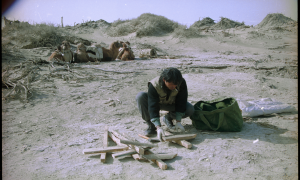
展览照片之一
展览照片之二
(文章来源:Artdaily网站)
【编辑:Julia】
展览照片之三
展览照片之四
(文章来源:Artdaily网站)
【编辑:Julia】
展览照片之五
展览照片之六
(文章来源:Artdaily网站)
【编辑:Julia】
Teatro Fernán Gómez Host the Great Collective Exhibition The 70's. Photography and Everyday Life
The great collective exhibition of PHotoEspaña 2009, The 70's Photography and Everyday life was presented this week with the presence of the director of Teatro Fernán Gómez. Centro de Arte and PHotoEspaña, Mora Apreda and Claude Bussac.
The curator of the exhibitions Sérgio Mah and Paul Wombell talked about the show and the aesthetic approaches of those years. The artists Alberto García-Alix, Carlos Pazos and Víctor Kolár were present at the press conference.
The exhibition The Seventies. Photography and Everyday Life co-produced by Centro Andaluz de Arte Contemporáneo, Museo D’Arte Provincia di Nuoro and La Fábrica/PHotoEspaña in collaboration with Fundación Banco Santander, seeks to provide a retrospective look at a group of works and artists that contributed to making the nineteen seventies one of the most important and fruitful periods in the recent history of photography. This group show, which includes over 200 photographs, covers some twenty outstanding figures in the visual arts field of that time, and offers a wide, diverse range of images that exemplify the period as well as a selection of its conceptual and aesthetic attitudes.
The nineteen seventies witnessed a definitive change in the relationship between art and photography, and comprise a period that is essential for understanding the contemporary art of the last 35 years. The aesthetic approaches of avant-gardes concerned with purely formal questions gave way to a more open, less dogmatic artistic attitude in which some attention had to be paid to life experience and social issues. The decade produced a greater interrelationship between art and life that led to an interest in defending the everyday, the poetics of the personal and the landscape of the intimate in addition to unconventional documentary approaches. Art ceased to be considered something external to the artist and began to be part of the creator’s attitude toward life. Photography was seen as an ideal tool for this artistic and historical context, and the photographic medium was reformulated.
(文章来源:Artdaily网站,点击参看译文)
【编辑:Julia】





 京公网安备11010502038436号