


一、主题阐释
新世纪的第一个十年(2000—2009)很快就要结束了。上个世纪80年代开始的现代主义运动,经过90年代市场经济下的政治与文化转型,在新世纪结出了丰硕的果实。如何评价这十年的新艺术是一个饶有趣味的课题。鉴于此,我们决定策划组织题为“改造历史 2000—2009年的中国新艺术”的展览和与之有历史上下文联系的“特别文献展”及“中国青年新艺术邀请展”。
自1979年以第一届“星星美展”为标志性起点的中国现代艺术发生以来,时间已经过去三十年。随着几代艺术家们的不懈创造和艺术批评体系的逐渐建立,尤其是进入新世纪之后,人们经常用“当代艺术”(从1992年开始用于艺术批评)来表述的中国新艺术在全球视野中逐渐成为热点,近年艺术的市场化进一步确认和扩展了中国当代艺术的发展和社会影响力。当然,也不可避免地产生了负面效应。现在看来,2000—2009年这十年的当代艺术不仅受到了外部形势与条件的改造,同时它也在确立其文化的主体意识、争取“合法性”身份、自由表达等方面改造着自身的历史。事实上,中国新艺术及其历史都处在不断的“改造”之中,尤其是在2008年开始的全球经济危机这个背景下,“改造”正在剧烈地发生着。
二、展览的缘由
2006年底,本次展览的策展人之一吕澎完成了《20世纪中国艺术史》的书写,这部涉及一百多年的艺术史著作的重要任务之一,是将1979年以来的现代艺术和90年代开始的当代艺术放进一百年的历史框架中给予对待。作者想努力说明的是:那些一开始并不受官方美术机构认可的新艺术(在这三十年里因不同时期的不同目标而被“前卫”、“先锋”、“现代”、“地下”和“当代”这些词汇所表述),与产生它们的特定历史语境有密切的关系,是我们这个时代最具有代表性的艺术现象,我们应该通过书写、出版与展览来研究这些充满问题的现象。
随着时间的推移,新世纪第一个十年的当代艺术现象已经作为一个课题被提上了日程。我们必须跟随时间的步伐,及时地对流逝中的现象给予选择、分析、阐释与判断。历史从来就不存在着一个本质主义的标准,历史也从来就没有一个被埋藏在无意识或者集体无意识深渊的绝对真理等待着我们去发掘,历史仅仅存在于理性的判断与实际的书写之中。基于这样的看法,我们决定对大量的资料进行选择和判断,组织一次综合展览。这就是说,我们希望通过展览,来与大家讨论什么是新世纪第一个十年里值得记录的新艺术及其现象。在一个看上去纷乱但充满可能性的时期,我们想从宏观和实证的角度对这十年的艺术发展进行考察和辨析,梳理一条历史的线索,通过对新世纪里的艺术现象进行“抽样分析”,巩固和完善大多数批评家已经开启的历史判断,进一步彰显和总结当代艺术的成果,并且,为以后更多的艺术史家(包括批评家)提供参考文献和讨论的空间,也为艺术家们的创作以及未来中国艺术的走向编撰一部具有参考价值的“历史文本”。
三、展览的学术目标
本次展览的学术目标将从三个方面展开。第一,简洁而不失基本内容和判断的历史背景,通过图片和历史叙述,让人们清楚新世纪里新艺术在历史学意义上的“合法性”;第二,对那些在新的艺术史中表现出重要性的艺术家给予定位分析,以便让观众了解为什么这些艺术家的艺术工作有可能是历史中的一部分;第三,对经过“历史抽样”的艺术家的展览作品进行尽可能的历史分析与细读。在展览开幕的同时,观众将看到从这三个方面研究的成果。
四、展览与组织
展览名称:改造历史 2000—2009年的中国新艺术 (RESHAPING HISTORY Chinart from 2000 to 2009)
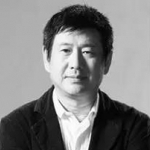
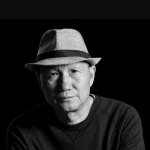
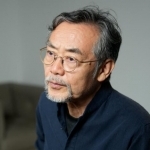
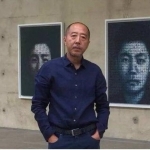
策 展 人:吕澎 朱朱 高千惠(台湾)
主办单位:
青城山·中国当代美术馆群
广东美术馆
保利艺术博物馆
今日美术馆
阿拉里奥北京艺术空间
中国艺术投资有限公司(香港)
寒舍艺术中心(台湾)
协办单位:99艺术网
教育活动支持:尤伦斯当代艺术中心
展览时间:
国家会议中心 2010年5月4日—5月21日
今日美术馆 2010年4月25日—5月19日
阿拉里奥北京艺术空间 2010年4月25日—6月12日
开幕时间:
国家会议中心 2010年5月4日 14:30
今日美术馆 2010年4月25日 14:00
阿拉里奥北京艺术空间 2010年4月25日 16:00
展览组织委员会:
吕 澎 青城山·中国当代美术馆群馆长
邵 珊 广东美术馆副馆长
赵 旭 北京保利国际拍卖公司执行董事
张子康 今日美术馆馆长
尹在甲 阿拉里奥北京艺术空间总监
王定乾 寒舍艺术中心董事长
朱 朱 策展人
高千惠 策展人
杨 凯 99艺术网CEO兼总编
陈 默 批评家,策展人,《大艺术》执行主编,教授
地址:四川省成都市武侯区航空路6号丰德国际广场D1-201
PC:610041
Tel:028-85267130 85267132
Fax:028-85267130-800
E-mail:office@institutionsofchinart.org
www.institutionsofchinart.org
展览执行成员组:
项目执行
田萌(15608063745)
tianmeng3-811027@163.com
展览事务/学术编辑
蓝庆伟(13967170109)
qingweilan@126.com
出版印刷
赵娜(15882213356)
zhaonayu_007@hotmail.com
宣传推广
时玉玲(13880613004)
shiyuling4@hotmail.com
公关会务
孔立雯(13777576831)
martinakong@gmail.com
商务代理
刘珍(15884578095)
liu_zhen99@hotmail.com
运输保险
叶彩宝(15882303219)
Dabao-mail2004@163.com
五、展览选择、作品要求与规模
(一)选择方法
既然展览是历史研究工作中的一个部分,我们采取了有学术斟酌空间的“历史抽样”的方法。展览并不事先确定艺术家的完整名单,我们希望通过对艺术现象的考察逐步选择进入展览的艺术家以及他们的作品。这样的工作方式,有助于更加审慎地分析艺术现状,确定参加展览的艺术家。
(二)作品要求与规模
1、鉴于本次展览是对新世纪第一个十年的艺术所进行的研究,本次展览限于2000年之后完成的作品,材料与形式不受任何限制:绘画、图片、影像、装置以及其他在展览空间里能够呈现的艺术作品。
2、鉴于展览对最近艺术的观察与展务条件的原因,本次展览原则上不从艺术家之外的机构借用作品,而是展出最新的作品。
3、展览拟邀从1979年以来对这改革三十年做出贡献的艺术家参展,每位平面类艺术家的参展作品不少于4件,其他类型艺术家参展作品根据具体情况调整与确定。
4、鉴于展览和组织工作的规模,展览主办单位不提供任何涉及作品制作的费用。
5、展览将按照主题和展览设计,分别在广东美术馆、保利艺术博物馆、今日美术馆、阿拉里奥北京艺术空间等展出。
六、改造历史——特别文献展
历史从来不是孤立地产生与存在的,任何历史现象总是与其前历史保持着某种逻辑关系。虽然“改造历史 2000—2009年的中国新艺术”是对新世纪以来10年艺术现象、问题的归纳与抽样研究,但应放在历史的语境中进行,所以,在1979年到1999年的艺术历史中具有重要地位的艺术家将作为这个部分的参展艺术家。这是新艺术的基础与逻辑。
七、改造历史——中国青年新艺术邀请展
1979年以来的中国社会各个层面都发生了巨大的变化,在社会与政治巨变中,青年艺术家总是站在历史的浪尖上。不过,我们不能就此说青年艺术家的艺术以某种先进性超越前人,而可理解为每代青年艺术家都以其共有的集体经验和特有的个人经验,塑造了一个属于他们的历史。在此意义上说,中国新艺术虽然与社会、政治、经济等因素有着紧密的联系,但他们之间的关系又不简单是历史决定论和社会反映论。为此,“改造历史 2000—2009年的中国新艺术”展览包括“中国青年新艺术邀请展”,以便我们研究与展示中国当今青年新艺术的特性,参展该部分的艺术家年龄限于40岁以下。
八、改造历史——青年批评家论坛
(一)论坛主题:改造历史
1990年代初,随着中国市场经济体系日趋成熟,西方正在发生着的当代艺术现象与后现代理论被介绍到了中国。这成为推动中国新艺术转折的重要因素,也拓展了中国当代艺术创作、批评与研究的空间与理论依据。但是,后现代理论的“多元论”也误导了许多批评与研究脱离了中国新艺术的基本立场与历史语境,致使批评与研究的空泛。因此,中国新艺术立场与新艺术史的写作也必然地成为我们今天研究的课题。
鉴于此,“改造历史——青年批评家论坛”将围绕两个主要议题展开:1、新艺术的立场;2,新艺术史的书写。
(二)论坛时间:2010年5月5日
(三) 论坛地点:国家会议中心
九、展览出版物
展览拟出版书籍如下:
《三十年的历险:1979年以来的艺术和艺术家》中文版、英文版
《改造历史 2000—2009年的中国新艺术》中英文合版
《气质与文明——改造历史 2000—2009年的中国新艺术》水墨册页
《当代艺术史立场——“改造历史”中国青年批评家论坛文集》中文版
《改造历史——中国青年新艺术邀请展学术评估报告》
《艺术操作:一个展览的文献》
“改造历史”展览组织委员会
2009年10月30日星期五
1. Interpretation of the theme
The first decade (2000-2009) of this new century is hastening in its close. The Modernist movement initiated in 1980s has made numerous significant achievements in the new century after the political and cultural transition under the market economy of 1990s. How to evaluate the new art in this decade is quite an interesting issue. In view of this, we decide to plan and organize the exhibition titled ‘Reshaping History——Chinart from 2000 to 2009’, as well as a ‘Special Documenta’ and a ‘China Youth new art Invitational Exhibition’ with historical relationships with it.
Three decades have past by since the beginning of Chinese modern art symbolized by the first ‘Stars Art Exhibition’ held in 1979. Along with tireless creation of several generations of artists and the gradually set up artistic critical system, Chinese new art which is usually formulated, especially in the new century with the term ‘contemporary art’ (this term was used in artistic critique from 1992), has become a hot spot globally, and the marketization of art further confirmed and expanded the development of Chinese contemporary art as well as its social influential power. However, negative effect emerged together naturally. Now we could see that the decade from 2000 to 2009 not only received transformation from external circumstances and conditions, it is also reshaping its own history in establishing cultural subjective consciousness, fighting for legitimized identity and freedom of expression. In fact, Chinese new art and its history is experiencing constant ‘reshaping’, especially against the background of the global economic crises started from 2008, this ‘reshaping’ is taking place dramatically.
2. Why do we hold this exhibition?
By the end of 2006, one of the curators of this exhibition, Lv Peng finished writing the book titled ‘A HISTORY OF ART IN TWENTIETH-CENTURY CHINA’. To put and treat the history of modern art since 1979 and contemporary art since 1990s into the historical framework of the past 100 years is one of the most important tasks in writing this art history work touched upon more than 100 years. What the author tried to explain is: those new art which were not approved and accepted by official artistic institutions (during the last three decades, they were respectively expressed in terms like ‘Avant-guard’, ‘Vanguard’, ‘Modern’, ‘Underground’ and ‘Contemporary’ for different targets of different periods) have close relationship with the specific historical context in which they were created, they are the most representative art phenomena of our times, we should research into these problematic phenomena through writing, publishing and holding exhibitions.
As time passes by, the contemporary art phenomena of the first decade of 21st century has been put on the agenda as an issue. We must follow the pace of time closely and do timely selection, analysis, explanation and judgment on the phenomena passing away. There had never been a essentialist criteria in history, neither there had been any absolute truth buried in unconsciousness or collective unconsciousness in history for us to explore. History only exists in rational judgment and actual writings. Based on such a view, we decided to select and measure the numerous materials and organize a comprehensive exhibition. In another word, we hope to discuss with everyone about what new art and phenomena value records in the first decade of 21st century. In such a period chaotic yet full of possibilities, we hope to make observation and analysis on the artistic development of this decade from a macroscopic and positivist perspective, comb out a historical clue and consolidate as well as complete the historical judgment which has been opened by most critics through ‘sampling analysis’ of the artistic phenomena of the new century. Thus we could manifest and summarize the existing achievement of contemporary art and provide richer materials and wider space of discussion for the further more artists and art historians (including critics) . Moreover, we would provide a ‘historical document’ with reference value for the creation of artists and the direction of Chinese art in the coming future.
3. The Academic Goal of the Exhibition
There would be three perspectives of the academic goal of this exhibition. First, clarify the historical ‘legitimacy’ of new art in the new century through pictures and historical representation, against a succinct historical background with basic content and judgment. Second, give positioning analysis to those artists who have shown importance in the new art history, in order to make audiences understand the reason why the work of these artist might be part of the history. Third, try our best to make historical analysis and peruse the exhibited works of artists who have been ‘historical samples’.
Audiences would see the achievement of study from the three aspects written above at the opening of our exhibition.
4. Exhibition and Organization
Title of the exhibition:
RESHAPING HISTORY Chinart from 2000 to 2009
Curators: Lv Peng, Zhu Zhu, Gao Qianhui (TW)
Organizers:
Institutions of Chinart
Guangdong Museum of Art
Poly Art Museum
Today Art Museum
Arario Gallery
China Art Investment L.L.C. (HK)
My Humble House Art Gallery (TW)
Co-organizer:
99 Art Network
Pedagogical Activity Support:
Ullens Center for Contemporary Art
Duration:
National Convention Center 2010/5/4-5/21
Today Art Museum 2010/4/25-5/19
Arario Gallery 2010/4/25-6/12
Open:
National Convention Center 2010/5/4 14:30
Today Art Museum 2010/4/25 14:00
Arario Gallery 2010/4/25 16:00
Exhibition Organizing Committee:
Lv Peng Director of Institutions of Chinart
Shao Shan Vice-Director of Guangdong Museum of Art
Zhao Xu Executive Director of Beijing Poly International Auction Company
Zhang Zikang Director of Today Art Museum
Yin Zaijia Chief Inspector of Arario Beijing Art Space
Wang Dingqian Chairman of My Humble House Art Centre
Zhu Zhu Curator
Gao Qianhui Curator
Yang Kai CEO and Chief Editor of 99 Art Network
Chen Mo Critic, curator, Executive Chief Editor of “The Great Art” (da yishu) and Professor
Address: Room 201, D1, Fengde International Plaza, No.6, Hangkong Road, Wuhou District, Chengdu, Sichuan Province,China.
PC:610041
Tel:86-28-85267130 86-28-85267132
Fax:86-28-85267130-800
E-mail:office@institutionsofchinart.org
www.institutionsofchinart.org
Executive Member Group:
Executive Manager
Tian Meng (86-0-15608063745)
tianmeng3-811027@163.com
Exhibition Affairs/Academic editor
Lan Qingwei (86-0-13967170109)
qingweilan@126.com
Translator/Editor of English Versions
Mona (86-0-13882267463)
monamoon@live.cn
Transport Affairs
Ye Caibao (86-0-15882303219)
dabao-mail2004@163.com
Publication and Printing
Zhao Na (86-0-15882213356)
zhaonayu_007@hotmail.com
Promotion
Shi Yuling (86-0-13880613004)
shiyuling4@hotmail.com
Public Relations
Kong Liwen (86-0-13777576831)
martinakong@gmail.com
Commercial Agent
Liu Zhen (86-0-15884578095)
liu_zhen99@hotmail.com
5. Selection, Requirements of Artistic works and the Scale
A. Way of Selection
Since exhibition is part of the work of history study, we use ‘historical sample’ as our way to select works which could reserve space for academic consideration. We won’t decide a complete name list of artists before the exhibition; we prefer to choose artists and their works gradually based on observation of artistic phenomena. Such an operation mode contributes to a more prudent analysis of the art status and selection of artists to join the exhibition.
B. Requirements of works and Scale
a. In consideration that this exhibition is a study of art during the first decade of the new century, only works created after 2000 could be proper for this exhibition. There is no limitation on material and form: All works that could be exhibited in the venue including paintings, pictures, videos, installations and others could be proper.
b.In consideration of the exhibition condition and that the exhibition observes recent art, we would exhibit the latest works of artists in principle rather than borrowing works from institutions other than artists themselves.
c.The exhibition plan to invite artist who have made contributions in the three decades reform since 1979 to take part in, and each plane class artist should provide at least 4 pieces of work, while works of artists of other classes could be decided and adjusted according to specific circumstances.
d.Considering the scale of the exhibition and the organizing work, organizer would not provide any expenses related to the creation of works.
e.The exhibition would be separately held in venues including Guangdong Museum of Art, Poly Art Museum, Today Art Museum and Arario Beijing Art Space according to different themes and the design of the exhibition.
6. Reshaping History——Special Documenta
History never come into being and exist in isolation, there must be some logic relationship in any historical phenomena with the former history. Although ‘Reshaping History——Chinart from 2000 to 2009’ is a generalization and sample study of the art phenomena and issues during the first decade of the new century, but this study should be carried out in a historical context, therefore, artists with important positions in the art history from 1979 to 1999 should be involved in the exhibition. This is the foundation and logic of New art
7. Reshaping History——‘China Youth new art Invitational Exhibition’
Tremendous changes have taken place in all levels of Chinese society since 1979. Young artists always stand on the top of the waves of history in all the great changes of society and politics. However, we could never say that the art of young artists exceed their predecessors with some advanced quality. It’s much more proper to say that every generation of young artists constructed their own history with their own collective experiences and specific personal experiences. In this sense, although Chinese new art have close association with social, political and economic factors, this association is not simply historicism or social reflectionism. Therefore, ‘China Youth new art Invitational Exhibition’ should be included in the ‘Reshaping History——Chinart from 2000 to 2009’, in order that we could research and display the characteristics of Chinese Youth art today. Only Artists born after 1969 could take part in this part of exhibition.
8. Reshaping History——Young Critics Forum
A. Theme of the Forum: Reshaping History
At the beginning of 1990s, with the gradually mature system of Chinese market economy, contemporary artistic phenomena and post-modernist theory happening in the West was introduced to China. This became an important element in promoting the transition of Chinese new art, and it also extended the space and provided theoretical basis for Chinese contemporary art creation, critiques and study. However, ‘pluralism’ in post-modernist theory also misled many critique and study to break away from the basic stance and historical context of Chinese new art, which resulted in the vague and general problems in critique and study. Therefore, Chinese new art stance and writings of Chinese new art would naturally and necessarily become our issues we study today.
In view of this, the forum would be carried out around two main topics:
a. The stance of new art
b. The writing of new art history.
B. Time of Forum: (undetermined)
C. Venue of Forum: (undetermined)
9. Publications
Books planned to publish include:
Adventures during three decades: art and artist since 1979 (Chinese Version and English Version)
Reshaping History——Chinart from 2000 to 2009 (Chinese-English Version)
Temperament and Civilization——Reshaping History Chinart from 2000 to 2009 (water and ink Album)
Stance on Contemporary art history——“Reshaping History” Album of the Young Critics Forum (Chinese Version)
Reshaping History——A report on academic assessment of China Youth new art Invitational exhibition
Art Operation: the document of an exhibition
‘Reshaping History’ Exhibition organizing committee
2009/10/30 Friday
【编辑:张瑜】





 京公网安备11010502038436号