


素者,或无色,或单色,或简素雅色;描者,或行云,或流水,或轻描柔写。名词属性之“素”,与动词属性之“描”,构成视觉艺术造型的基础平台,也成为艺术家“功夫”高低的衡量概念。就艺术语言而论,素描之于油画、版画、雕塑、水墨等材料语言,其独立性本应不是问题。但长期以来人们的习惯思维作祟,更由于体制化的“专业”分类,以及其不大符合意识形态“工具”要求的种种“弱点”,它被长期置于边缘化和“次要”地位也就不难理解。所幸的是,时过境迁,时代背景大变,多元化的文化生态,使得不同材料的语言方式,获得了十分广阔的生长空间。如是,我们才有幸看到一些优秀的艺术家的“另一面”——除了他们色彩斑斓的一面,还有平静素雅的一面。之所以有“素歌”,是因为有“素”而雅致滋生,有“素”而情调低微婉转,故生思,生念,生情。遂歌之,悦之,乐之。此为素歌题解之一。
而“素歌”的另解,是指中世纪罗马天主教会的祈祷歌曲,又称“格列高利圣咏”,因罗马教皇格列高利一世而得名,相传这种歌曲是他所制定的。 素歌的歌词都为散文,大多出自《旧约·诗篇》,曲调用中世纪的 8种教会调式写成。现存的素歌都是单声部自由节奏的曲调,歌词的一个音节有唱一音的,有唱 多音的,也有唱拖腔的。不很懂音律,但从其单声部自由节奏的曲调的表现形式看,到不乏与“素描”之间有一种欲说还休的隐隐呼应?乃至似远尤近的冥冥暗示?它在宗教领域的精神疗伤作用,与素描在视觉精神领域里的情性愉悦,是不是也存在着迷离飘逸的越界粘连?迷恋“素歌”者,是因为它可能使人摆脱烦恼,获得超物质的精神营养。然迷恋“素描”者,何尝不是如此?素色的图像世界,将事物凝练至单纯极限,引发痴迷,带来虚幻,勾人神往。在一种相识不相似的跨文化语境里,用音律谱写的“图”,与用图像塑造的“歌”,彼此惺惺相惜,之间互动交错,如天籁之音,似无形大象,就这么“歌”着,“描”者,素昧平生,宁静致远……
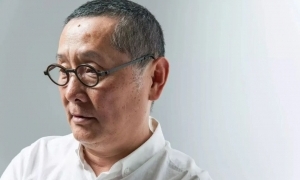
陈默
2008年11月于成都龙王庙
The Chinese term for sketch, ‘su miao’, is made up of two characters, ‘su’, meaning plain, simple and elegant, and ‘miao’, meaning to depict. When they are placed together, they form the foundational platform for constructing artistic forms, and the mark by which artist’s skills are measured. In terms of artistic language, the fact that sketches are linguistically independent from those of oil painting, print art, sculpture and ink is not a problem. But due to longstanding habits, and more importantly the systemic ‘professional’ classifications and the fact that sketches have all kinds of ‘weaknesses’ that don’t fit with the ‘utility’ of ideology, it is not hard to understand why the sketch has been relegated to the margins for so long. Fortunately, with the passage of time, the cultural environment has become much more diverse, giving all kinds of material linguistic methods abundant room to grow. This gives us an opportunity to see ‘another side’ of many great artists – aside from their richly colored side, they also have a simple and elegant side. We use ‘plainsong’ because ‘plainness’ gives birth to elegance, to subtlety, to sentiment. Plainness gives birth to the elements of song.
There is another explanation behind plainsong, that of the Roman Catholic mass, also known as the “Hymn of St Gregory”. It was named after Pope Gregory, and tradition states that he composed it himself. The lyrics of plainsongs are in prose form, mostly derived from the Book of Psalms. They are arranged using the eight modes of music. They can be monophonic or sung to complex harmonies, and they are all sung in free rhythm. I’m no expert on music, but looking at the free rhythm and monophonic expressive form, could there not be some unspoken connection to sketching? Between the spiritually therapeutic applications of plainsong in the religious realm and the visual delight taken in sketching, could there be some connection that crosses the boundaries of media? Those who delight in plainsong do so because it can help them forget their worries and gain immaterial spiritual nourishment. Perhaps those who delight in ‘sketches’ are doing the same? The plain-colored image world of the sketch solidifies things into their most simple form; they bring about enchantment and lead us to fantasy. In a cross-cultural context where we are so different from each other, the use of ‘images’ written in song, and ‘songs’ constructed of images can perhaps help bring us together on simple and peaceful terms.
November 2008
at the Dragon King Temple, Chengdu
【编辑:霍春常】









 京公网安备11010502038436号