


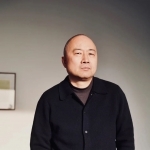
丹尼尔•伯恩鲍姆(Daniel Birnbaum)
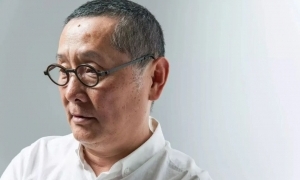
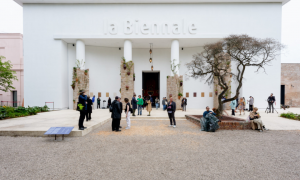
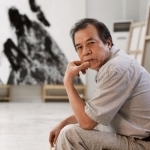
对于一个策展人来说,没有比担任威尼斯双年展总策展人这一职务更大的挑战了。07年的双年展有32万人参与,而今年它迎来了第116个年头。今年威尼斯双年展的主策展人为丹尼尔•伯恩鲍姆(Daniel Birnbaum),他是法兰克福美术学院院长及其所属的Portikus展出空间总监。
下面我们将和他谈论《影响的焦虑》,他对市场的看法,以及他到哪儿都想着展览事宜。
(来源:ARTINFO网站,点击参看原文)
【编辑:Julia】
在45岁的年纪,作为威尼斯双年展历史上最年轻的总策展人,你是否有所畏惧?
我从没有多想过这个问题。美国总统也差不多这个年纪,不是吗?
你从何得出此次双年展的主题——“制造世界”?
我从美国哲学家尼尔森•古德曼(Nelson Goodman)《创造世界的方法》(Ways of World Making)中得启发。这个主题是传达出一种氛围而不是企图作出规定。“制造”这一理念涉及的是工作室环境下的艺术,同博物馆中的艺术有很大差别。
双年展的总监们常常排斥市场。那么你呢,你考虑过市场因素吗?
没怎么考虑过。我一直对那些不那么容易市场化的东西比较感兴趣,即使在创作它们的艺术家中不乏享有盛名者。比如说这次参加双年展的美国艺术家约翰•巴尔代萨里(John Baldessari),在他获得市场支持前,他就已经为很多艺术家提供了启示。
这次双年展上,你将很多老一辈的艺术家都包含了进来,比如说德国波普艺术家Thomas Bayrle,你能给我们谈谈原因吗?
我把历史的东西放在那儿,是因为我觉得它们与我们的现在相关。这是关于老一辈艺术家的理念如何长久存在的问题。
然后,你又请来了一位相对年轻的艺术家亚历山大•米尔(Aleksandra Mir),在我的理解中他是制作明信片的,对吗?
是的,整整一百万张明信片。你可以尽情的挑选,它们带来威尼斯的问候。米尔对不同的分发传递方式非常感兴趣。
所以说,在这次双年展上,我们将用新艺术的视野来看老一辈艺术家作品?
是的。这不仅因为老一辈艺术家是灵感的来源,更因为在我看来艺术是一个无限延续的再次阅读的过程。杜尚是沃荷之后的又一位艺术家,而塞上是毕加索之后的又一位。
这一方式来源于艺术理论。
是的,这对艺术同样适用。也许所有的艺术史学家都应该读读布鲁姆《影响的焦虑》一书。想想看,马塔•克拉克(Gordon Matta Clark)难道不是泰国艺术家Rirkrit Tiravanija之后又一不同的艺术家吗?
这两人都在此次双年展范围之内。那么,会有绘画作品吗?
大家都很关心这个问题,“会有绘画作品吗?”当然会有。意大利是个非常活跃的绘画世界,这次双年展将会有年轻的意大利艺术家,比如Pietro Roccasalva,他以一种几乎形而上学的目标作画。
在我看来,你甚至把沃夫冈•提尔门斯(Wolfgang Tillmans)当作某种意义上的画家?
我这么说也许有点冒然,因为他是一为摄相师。但他最近的一些艺术活动和绘画很接近。
在这么短的时间内将这么多的东西放到一起很困难吧?
我的时间限制在一年半之内,这确实很难办。如果还没开始作国际研究,如果你不时刻想着展览的事情,那么你将不能胜任这一职位。
有些人认为艺术将在经济衰退的大环境中转好,你是怎么看的?
有一种看法认为现在所有不好的东西都将消失——所有过奢的生活方式和因金钱利益而产生的事物。是的,我认为这些东西会消失,但同样,好的事物也会消失。对于威尼斯双年展来说是不容易的。我们能将一些东西安装好又再把他们拆掉,而一般情况下艺术家都有自己的支持渠道。
艺术家的支持来自画廊?
是的,也有来自赞助者和收藏家。并不是艺术家做的每一件事都出于博物馆。双年展的经济支持不都来自组织方,而是来自各种渠道,因此每个人的处境都困难了许多。
你是否正在努力让自己做好迎接批评界反应的准备?
我从没有过被批评界宠爱的经历。我写过很多届威尼斯双年展的东西,回想起来其中有几届办得非常出色,现在我意识到要做点事情是多么的困难。双年展从未被批评界宠爱过,但是没关系,因为双年展本来就不是为了受到宠爱。它是为了被人们讨论而存在。
所以你已经准备好了?
我不能说我不在乎别人发表不好的言论。如果有人能看出我想表达的东西我会很高兴,但同时我也做好了思想准备,同五千注册记者,这次双年展不会发展出一段爱情故事来。
(来源:ARTINFO网站,点击参看原文)
【编辑:Julia】
Conversation with Daniel Birnbaum
There is no greater test of a curator than being artistic director of the Venice Biennale: 320,000 people attended the 114-year-old festival’s five-month run in 2007. This year’s edition, which runs from June 7 to November 22, is helmed by the Swedish-born Daniel Birnbaum, director of the St?delschule, in Frankfurt, and curator of the school’s exhibition space, Portikus. Sarah Douglas speaks with him about the anxiety of influence, ignoring the market and the necessity of walking around with ideas for shows in your head.
Is it daunting to be, at 45, the youngest artistic director in the history of the Biennale?
I haven’t given it a second thought. There have been presidents of the United States about my age, no?
Where did you get the title for the Biennale’s main exhibition, "Making Worlds"?
I came upon it in a rather beautiful book called Ways of World Making, by the American philosopher Nelson Goodman. The title is there to communicate an atmosphere rather than be too strict. The idea of "making’’ is about art in a studio, or a sort of laboratory environment — something very different from a museum.
Directors of the Biennale often disavow the market. Do you think about it?
Not too much. I’ve always been interested in things that aren’t so easily marketable, even though some of the artists who make them are very well known. Someone like John Baldessari, who is in the Biennale, was an inspiration for many generations before he had any kind of support in the market.
You’ve included a handful of artists from an older generation, like the German Pop artist Thomas Bayrle. Why?
The historical things are there because I think they are relevant for us now. It’s about how some of these artists’ ideas and ambitions are still alive.
Then you have a younger artist, Aleksandra Mir, who I understand is making postcards?
Yes. One million postcards. You can pick up as many as you want. They offer greetings from the Venice Biennale. She’s interested in different forms of distribution.
So in your Biennale we’ll see older figures’ works through the lens of new art?
es. They are not there only because they are sources of inspiration but because I think art is a continuous process of re-reading. Duchamp is another artist after Warhol. Cézanne is another artist after Picasso.
That approach comes out of literary theory.
It’s just as true for art. Maybe Harold Bloom’s Anxiety of Influence should be required reading for art historians. Think about it. Isn’t Gordon Matta Clark a different artist after Rirkrit Tiravanija?
Both are in your Biennale, too. Will there be painting?
People always ask that question, "Will there be painting?’’ Of course there will. There’s a very lively painterly world in Italy, and there will be young Italian artists, like Pietro Roccasalva, who’s making paintings of an almost metaphysical ambition.
I understand you even think of Wolfgang Tillmans as a kind of painter?
That may be provocative of me, since he is a photographer. But some of the things he’s done recently are close to painting.
Is it difficult to pull so many things together in such a short time?
You have a year and a half, maximum. It’s very tough. If you are not doing international research already — if you don’t walk around with a few shows in your head — I don’t think you’re the right person for this.
Some people think art will get better in a recession. Do you?
There’s this idea that now everything bad is going to disappear — all the superfluous lifestyle- and money-oriented things. And, yes, I think those things will disappear, but so will many good things. And it’s certainly not easy for the Venice Biennale. We can install things and often ship them, but usually artists also get their own support.
From galleries?
Or from supporters and collectors. Not everything an artist does is produced by a museum. Not all of the financial support for the Biennale comes from our organization. It comes from all over, and that has become a lot harder for everyone.
Are you bracing yourself for the critical reception?
I’ve never experienced a love situation. I’ve written about many Venice Biennales, and I can say in retrospect that some of them were fantastic, now that I see how difficult it is to do something. Biennales are never loved, and that’s OK, because they are not there to be loved. They are there to be discussed.
So you’re prepared?
I shouldn’t say I don’t care if people write bad things. I will be happy if someone sees something I’ve managed to communicate, but I’m prepared that, with 5,000 accredited journalists, it will not be a love affair.
(来源:ARTINFO网站,点击参看译文)
【编辑:Julia】






 京公网安备11010502038436号